AI INTEGRATION
Scaling Intelligent Automation
Explore architectural patterns for integrating large language models into existing enterprise workflows. We cover prompt engineering at scale, vector databases for RAG architectures, and deploying AI models responsibly while maintaining security and compliance.

The Need for Intelligent Automation in Today's Business Environment
In today's highly competitive business landscape, efficiency and speed are no longer optional—they are critical success factors. Organizations are continually seeking innovative ways to refine their operations and cut costs without sacrificing quality. Enter Intelligent Automation.
This advanced paradigm unifies three core technologies: Robotic Process Automation (RPA), Business Process Automation (BPA), and Artificial Intelligence (AI). Together, they empower businesses to eliminate bottlenecks, reduce overhead, and elevate overall performance.
Decoding Intelligent Automation
Intelligent Automation is a cohesive trifecta of digital capabilities designed to optimize business workflows from end to end. While RPA handles the repetitive back-office tasks and BPA connects fragmented departmental processes, AI provides the cognitive layer—analyzing unstructured data and uncovering actionable insights.
Robotic Process Automation (RPA)
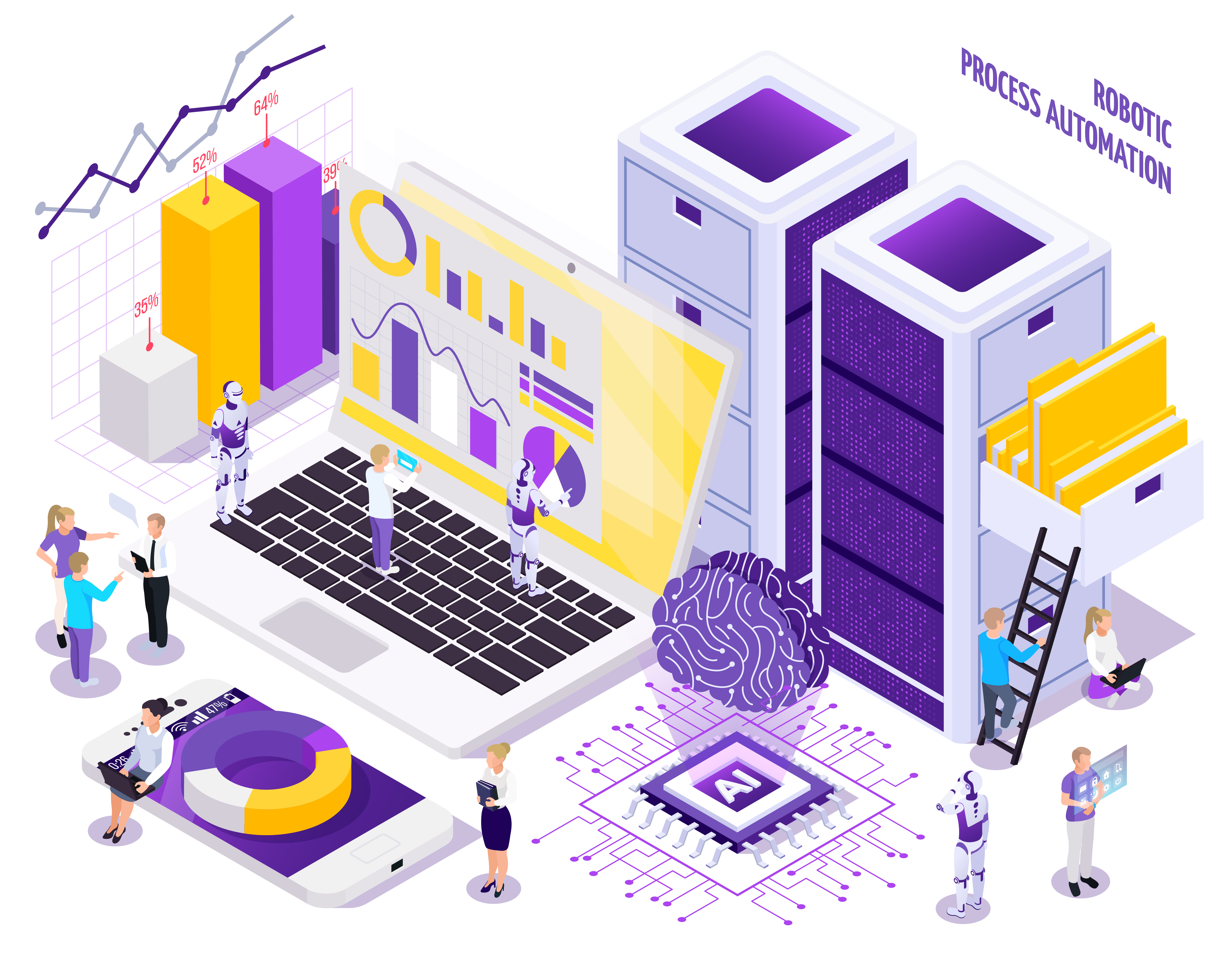
RPA is the digital workforce that takes over high-volume, rules-based tasks. By emulating human interactions with digital systems, RPA can seamlessly manage activities like account creation, data modification, automated refunds, and ticket processing.
What makes modern RPA truly powerful is its ability to self-correct and adapt based on performance metrics and changing conditions, delivering unprecedented operational velocity.
By delegating mundane and repetitive operations to software robots, human employees are freed to focus on strategic initiatives, innovation, and direct customer engagement. RPA bridges legacy systems without necessitating expensive core infrastructure overhauls, allowing businesses to iterate rapidly.
Business Process Automation (BPA)
While RPA focuses on specific tasks, BPA takes a holistic view of the organization. Many companies suffer from disconnected departments—where onboarding, supply chain, invoicing, and retail operate in silos despite being interdependent.
BPA bridges these operational gaps, weaving isolated functions into a unified, resilient business network. By eradicating these silos, organizations can achieve a smoother, more transparent workflow across all departments.
Effective BPA initiatives map out entire end-to-end processes, identifying redundancies and streamlining handoffs. This ensures that information flows seamlessly from one stage of the business lifecycle to the next, significantly reducing manual errors and approval bottlenecks.
Artificial Intelligence (AI)
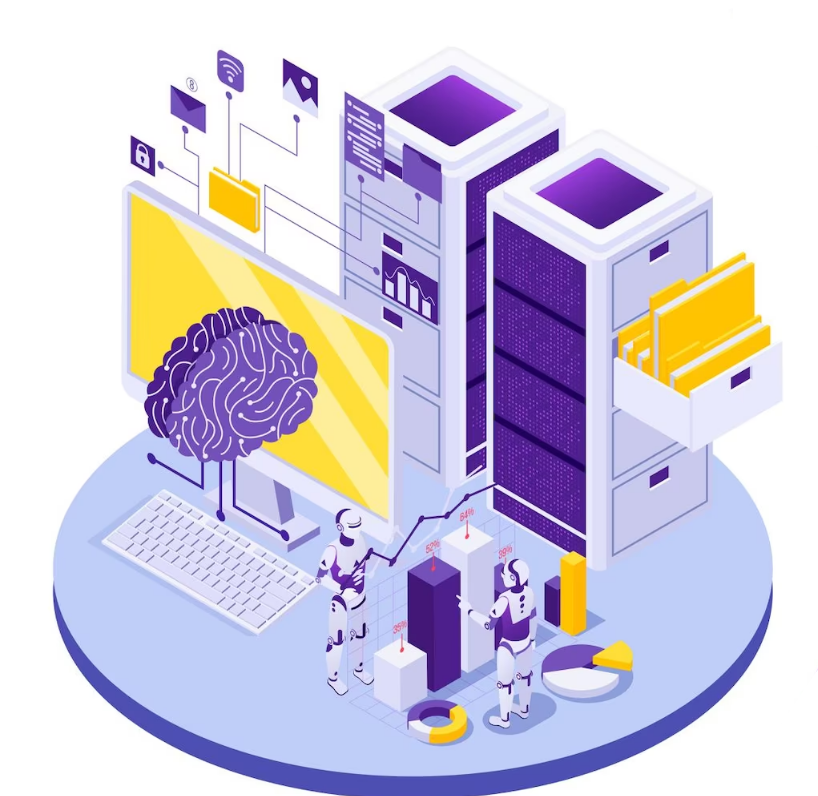
AI is the cognitive engine of Intelligent Automation. Leveraging neural networks and machine learning, AI deciphers complex patterns and extracts meaning from chaotic, unstructured data. It operates with minimal human intervention, continuously learning and improving with every interaction.
For instance, through natural language processing and sentiment analysis, conversational AI can interpret the tone, emotion, and urgency of a customer query, enabling support interactions that feel authentically human.
Moreover, predictive AI models allow businesses to preemptively address challenges before they escalate. By analyzing historical data trends, AI can forecast resource demands, suggest process optimizations, and dynamically allocate computational power across the enterprise network.

Cross-Industry Applications
The versatility of Intelligent Automation makes it a game-changer across sectors. In the retail industry, for example, it seamlessly integrates manufacturing with sales, orchestrating inventory purchases to guarantee a resilient supply chain while accurately forecasting future market demands.
In healthcare, it accelerates patient onboarding, simplifies billing operations, and aids in rapid diagnostic processing. In the financial sector, Intelligent Automation powers fraud detection, automates loan originations, and ensures strict regulatory compliance through continuous monitoring.
Ultimately, these intelligent systems learn the specific nuances of an industry over time, enabling them to make context-aware decisions that align with overarching business objectives and compliance requirements.
Conclusion
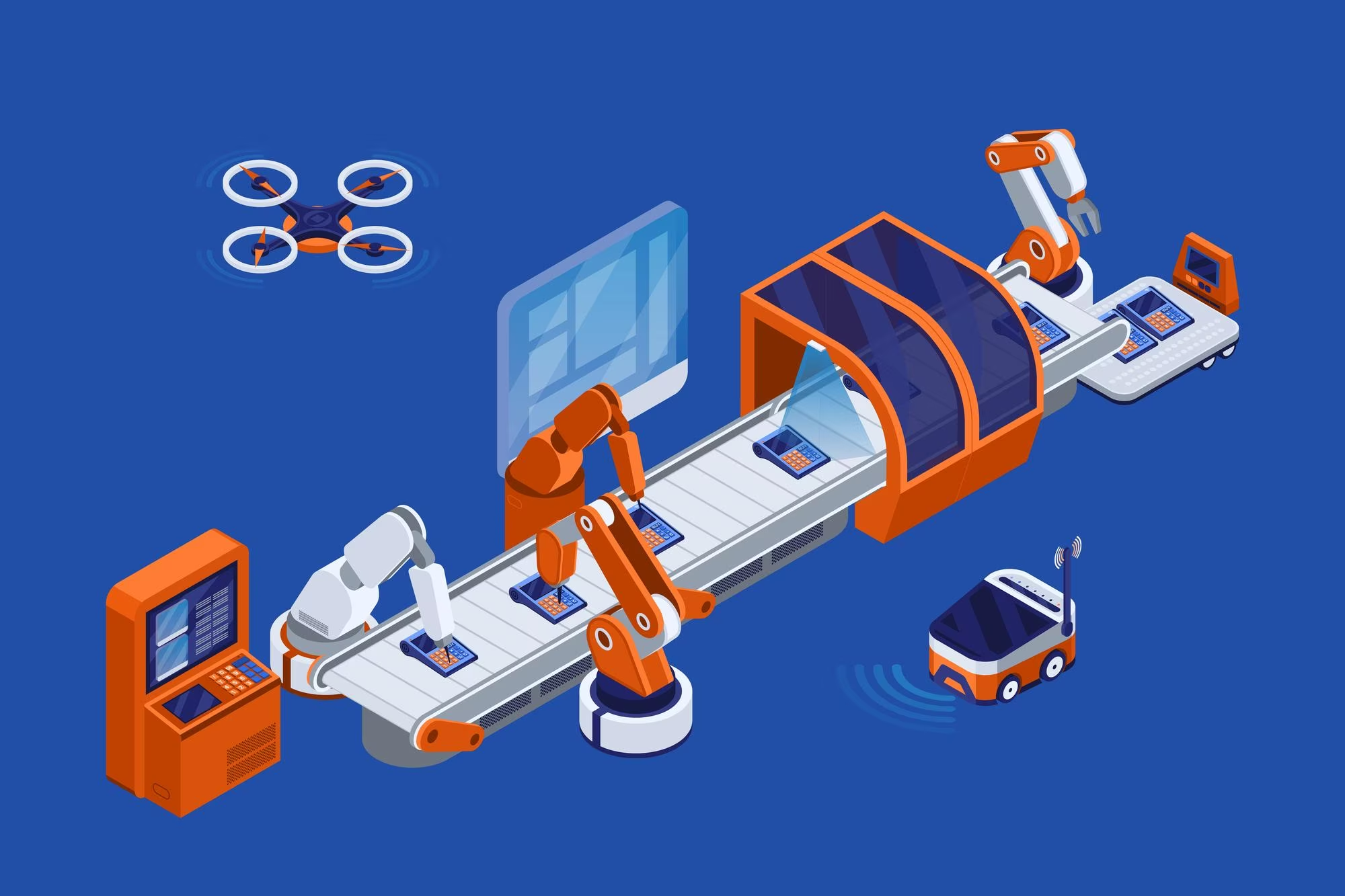
Intelligent Automation stands as a transformative force, capable of refining operations at every level through the synergy of automation and cognitive intelligence. By harnessing RPA, BPA, and AI, enterprises can unlock rapid efficiencies, lower operational expenses, and dramatically enhance the customer experience. The potential is vast—paving the way for greater economies of scale, empowered employees, and the agility to navigate market fluctuations. Embracing Intelligent Automation is the definitive step toward future-proofing your enterprise and outpacing the competition.